

The Nature of Gambling: An Overview
Gambling has captivated individuals for centuries, drawing millions into establishments and online platforms worldwide. At its essence, gambling revolves around risking something valuable with the hope of gaining something of greater worth. This core principle keeps players returning, eager to challenge fate, especially at a fast payout online casino where the excitement is amplified. Yet, the dynamic between luck and skill remains a contentious subject, shaping the strategies players employ as they navigate various games of chance and skill in the gambling arena.
Games like slot machines and roulette are typically perceived as pure luck-driven experiences, where outcomes are determined by random number generators or the roll of a die. In contrast, games such as poker and blackjack incorporate significant skill elements, enabling adept players to influence the outcome through strategic choices and decision-making. Understanding these fundamental differences is essential for anyone wanting to engage in casino gaming, as they can directly affect their approach and potential success.
The balance between luck and skill has evolved, particularly with the rise of online gambling platforms. This transition has made strategies and information more accessible, allowing players to refine their skills and tackle their favorite games with a strategic mindset. Nonetheless, the inherent randomness that characterizes many casino games means that even the most skilled players can often find themselves at the mercy of luck, a reality they may have to confront more frequently than they would like.
The Role of Luck in Casino Games
Luck is a fundamental aspect of casino gambling, especially in games where players lack control over outcomes. For instance, slot machines epitomize this element, as each spin is dictated by a random number generator. The excitement of potentially hitting a life-changing jackpot keeps players engaged, despite the fact that seasoned gamblers know the odds are typically not in their favor. This innate aspect of luck draws many casual players, who are often lured by the prospect of an instant financial windfall.
Moreover, luck plays a crucial role in other popular games such as roulette and craps. These games hinge on chance, with players placing bets driven by instinct or strategies that frequently carry low probabilities of success. The unpredictable nature of these outcomes creates an atmosphere of excitement, yet it also highlights how luck can overshadow skill, leading to winning streaks and losing spells that arise purely from chance.

While luck can lead to substantial wins, it can also culminate in significant losses. A common phenomenon among players is the “gambler’s fallacy,” the belief that past outcomes will influence future results. For example, if a player observes that a certain number in roulette has not appeared in several rounds, they might assume it is ‘due’ to hit soon. Such misconceptions can lead to poor decision-making, underscoring the necessity for a solid understanding of randomness and odds as players engage with luck-based games.
The Importance of Skill in Gambling
Contrarily, skill-based gambling empowers players to leverage their knowledge and expertise to enhance their winning odds. Games like poker and blackjack necessitate a blend of strategy, psychological insight, and risk management. Skilled players can assess their opponents, make informed predictions, and adapt to dynamic situations, thereby gaining a competitive edge over less experienced players. This element of skill transforms the gambling environment into one of competition, where mastery can yield long-term profitability.
Additionally, the significance of strategic skill in gambling extends beyond individual games to encompass bankroll management, comprehension of odds, and the execution of effective betting strategies. For instance, in blackjack, players who are well-versed in basic strategy can dramatically reduce the house edge, enabling them to compete more effectively against the dealer. This understanding can convert a game that otherwise hinges on luck into one where skill and strategic thought can markedly influence outcomes.
Successful gamblers often underscore the importance of emotional control and discipline. The capacity to maintain composure under duress and make rational choices, particularly in high-stakes circumstances, can dramatically shift the game’s dynamics. While luck may determine the result of a single game, it is skill and strategy that frequently distinguish long-term winners from casual gamblers who play purely for entertainment and thrill.
Finding a Balance: Luck and Skill Combined
The interplay between luck and skill is what makes the gambling experience so engaging and complex. Players frequently find themselves at a crossroads where a hasty decision based on luck may lead to unexpected victories or substantial losses. Understanding how to navigate this balance can not only enhance a player’s gambling experience but also improve their chances of winning over time.
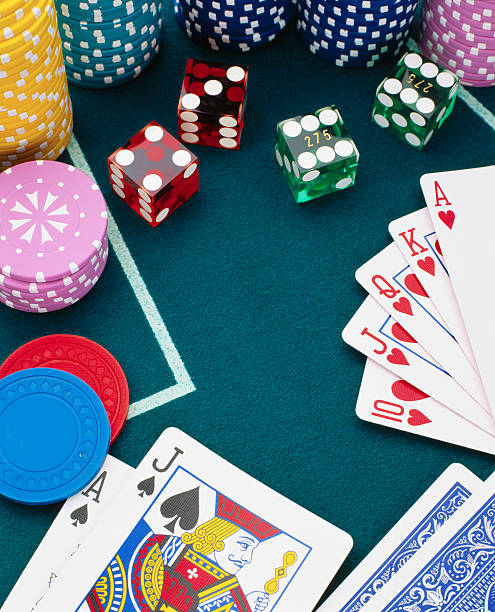
Moreover, recognizing the inherent unpredictability of luck can cultivate a healthier gambling mindset. Players who are aware of luck’s role are less likely to chase losses or engage in risky behaviors. By embracing the uncertainty that accompanies luck while simultaneously honing their skills, players can approach gambling more holistically, promoting both enjoyment and responsible play.
In practice, a successful gambling strategy typically requires a blend of meticulous skill development while remaining cognizant of the randomness involved. Players who can appreciate both aspects of gambling can create a more enjoyable experience, transforming each visit to a casino or online platform into an engaging fusion of challenge and chance, where every game played offers new opportunities and risks.
Learn More About Gambling Strategies
For those looking to delve deeper into the intricate dynamics of casino gambling, a wealth of resources is available online, offering insights into effective strategies and methodologies. Whether you’re a novice eager to start your journey or a seasoned player seeking to enhance your skills, exploring reputable platforms can yield valuable information. Such resources often cover a broad range of topics, from game rules and strategic approaches to tips on effective bankroll management.
Furthermore, connecting with a community of fellow gambling enthusiasts can significantly enrich your learning experience. Engaging in discussions, sharing personal experiences, and learning from one another can provide practical insights that go beyond standard guides. From dedicated forums to social media groups, numerous avenues exist for players to network and expand their understanding of both luck and skill within the gambling context.
Ultimately, grasping the role of luck versus skill is crucial for anyone involved in gambling. This understanding shapes not only individual strategies but also enhances the overall enjoyment of the games. As players continue to explore this captivating world, they will discover that mastering the balance between luck and skill can lead to greater satisfaction, whether they win or simply appreciate the experience for what it is—a thrilling pursuit filled with uncertainty and excitement.